When I was going to college, I absolutely loved it. I enjoyed history, languages, arts and writing. As I moved into higher-level classes, I really enjoyed critical theory and thinking about things in a new way.
It was as if before I was in a protected bubble that had burst—I was now looking at everything from a new lens. I couldn’t discount my race, my gender, my class, etc in my experience. I was forced to face some uncomfortable truths that white people often take for granted.
After the initial pain and shock of expanding my mind, I was intoxicated by learning. It was like a drug. I minored in philosophy for a brief time, studying the Greeks, to Descartes, to modern philosophy (has anyone read Sophie’s world? It’s a fantastic intro to philosophy – and it’s entertaining). I liked philosophical bantering, and enjoyed thinking about life, experience, and things bigger than myself.
My undergraduate education really did change me in a lot of positive ways and in my opinion was well worth the money (23k). In my senior year of college, I thought about becoming a professor and getting my PhD. I decided that it would be best to go into the workforce first. I didn’t want all my experience to be academic with a side of minimum wage jobs under my belt.
So I started working for nonprofits, in the arts education sector. I learned so much during this time and got some great experience. After 3 years of working, and being seduced by the idea of grad school due to a recent trip to New York, I thought I was ready. I was ready to go to grad school, with the ultimate goal of getting an M.A., then a PhD. I wanted to be a professor and expand other’s minds in the same way my professors had expanded mine.
I wanted people to get excited about education and know that it wasn’t all boring statistics. If I learned anything in college, it was the ability to think critically and write coherently about my thoughts. Those things, while seemingly simple, are such a gift, and very much lacking in public schools.
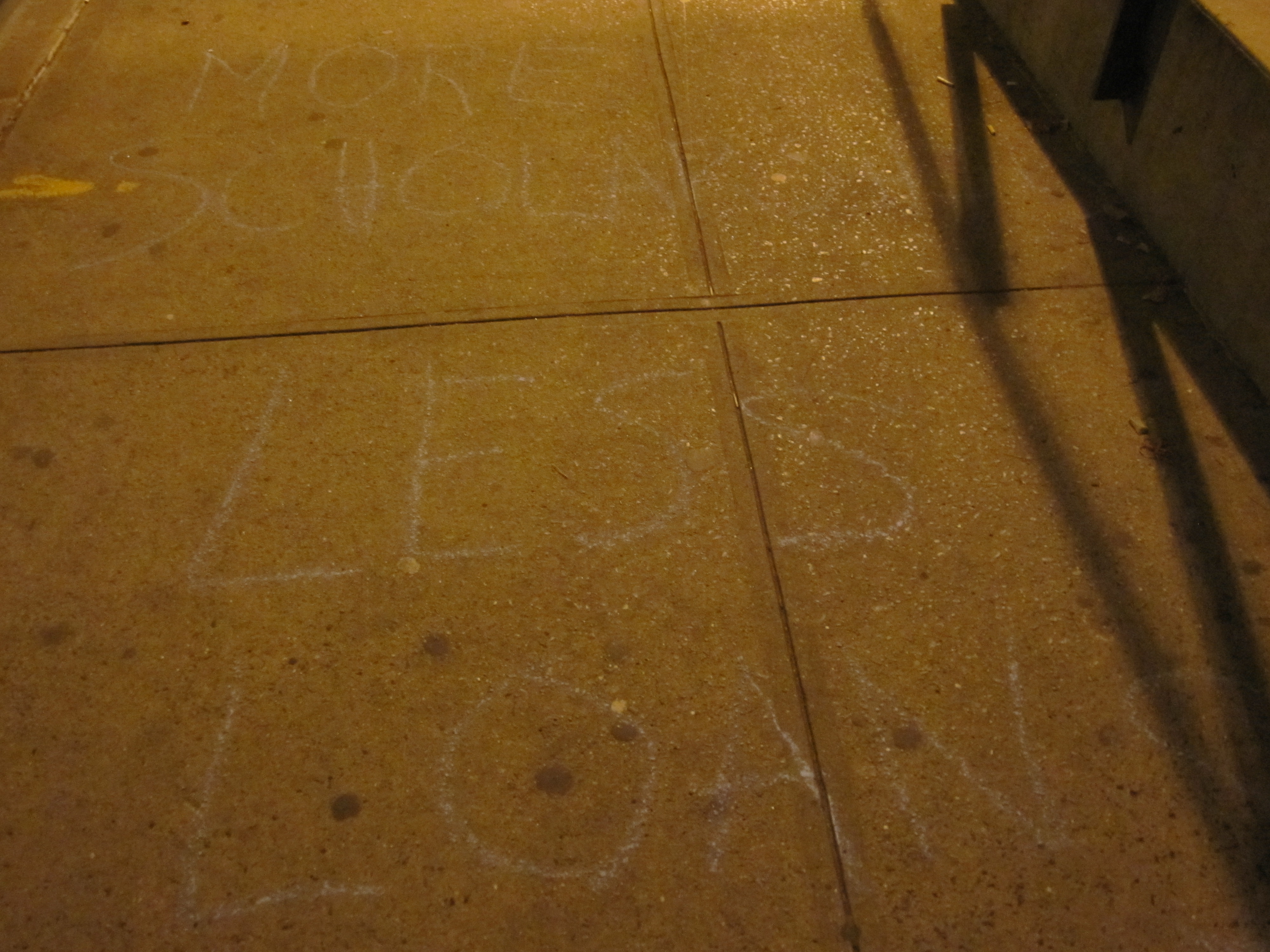
My turning point came in the first three months I was in graduate school. I was still excited about the ideas, the theories, and the philosophies, but I always had this lingering feeling that I was wrong. It was as if I was paying so much money just to swirl around in a very incestuous idea bank, that didn’t actually promote free thinking, but wanted to replicate certain ideas and serve as discounted/free labor to tenured professors.
Having worked in nonprofits on the ground level, and actually doing things, I felt like academia robbed me of experiences with others. Academia can be a very isolating place. My program warranted many hours of writing, mostly in isolation, or my head buried in a book, or in front of a screen. After realizing I wasn’t going to apply to get my PhD, I was pretty depressed. I had made it all the way to New York, left my job and now I was only going to go half-way. But I couldn’t imagine continuing with school. I didn’t want my work to be read only by intellectuals.
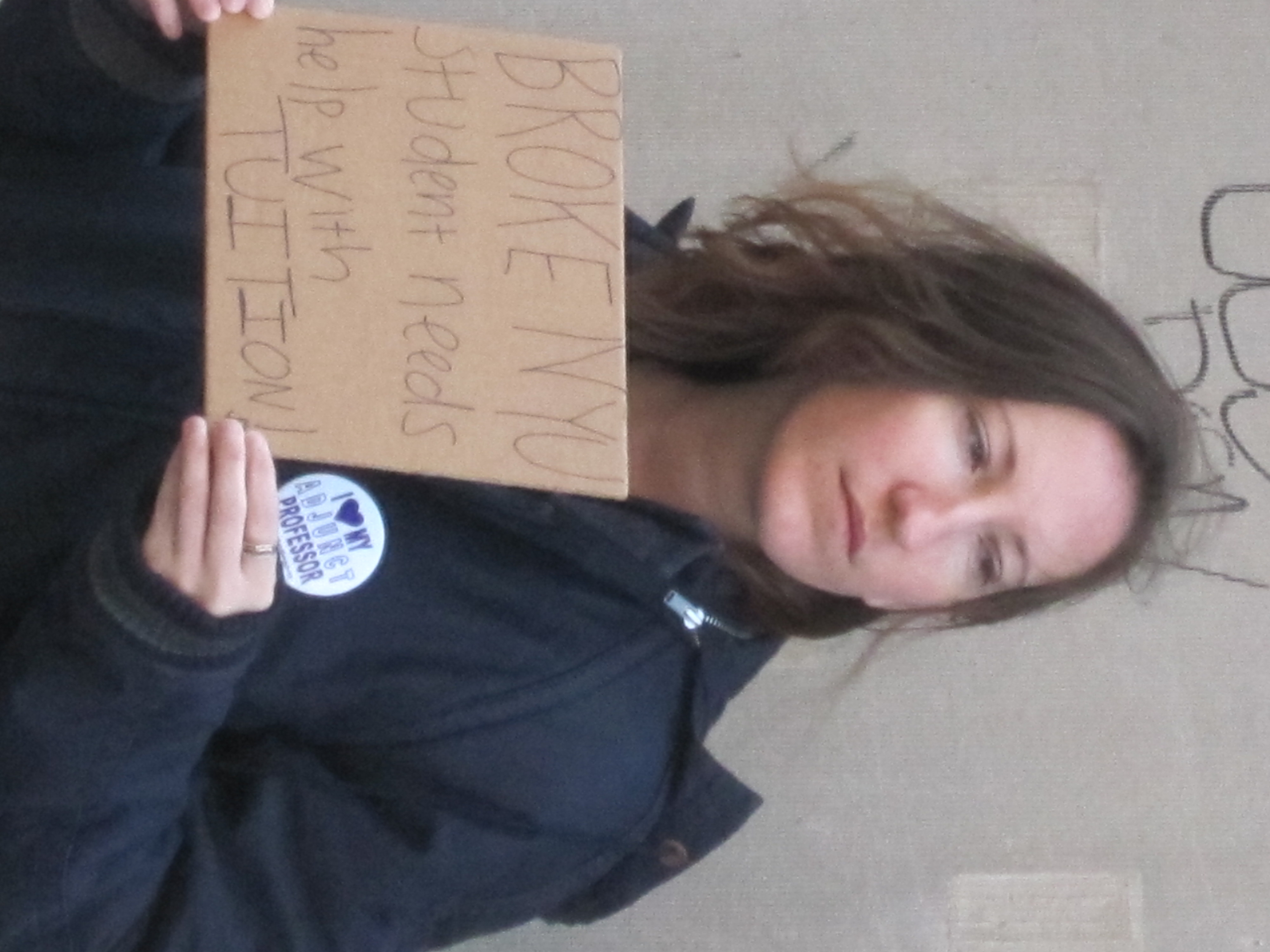
So I had a mini-crisis about purpose, and intent. Is what you’re doing still important, if your intention changes? My enormous debt no longer held the promise of a “professor salary”, which I now know was just a fallacy, as many people end up serving as adjunct professors, or moving to South Dakota to get a job (no offense).
It dawned on me how flawed the system was. This was made even more apparent after my program was ranked #1 in the nation. Shortly after that decision, the school decided to cut the 8 fully funded PhD spots, to 4. I would say 75% of people in my master’s program applied and wanted to get into the PhD program.
I saw so many dashed dreams in academia. People feeling like their lives were over because they couldn’t study this one thing at a fancy school – their entire purpose derailed. People overwhelmed by the idea that they just got into $100k into student loan debt, and now had no options except to go to work; some with no previous job experience.
I haven’t really talked about it on my blog because it’s been so long since I made the decision not to pursue my PhD. I no longer see myself aligned with “academics” and I don’t want to entertain most of the ivory tower b.s. Like at any job, there are politics and personalities at grad school, too.
It was a painful realization to risk so much to then change my dream, but it’s turned out just fine. I’ll be paying for it for a while, but I think I’m much happier going this route.
Have your life plans ever changed significantly? What happened and how did you cope?